


Factors That Affect International Parcel Rates (And How to Save Costs)
Expanding into overseas markets is an exciting milestone for any e-commerce business. Yet the most pressing hurdle is often logistics: what will the international parcel rates—and the total cost of international postage—really be?
Shipping costs aren’t fixed. They fluctuate like foreign currency and are based on various factors such as parcel weight and size, delivery destination, fuel surcharges, and country-specific customs and duties, among many others.
Understanding these drivers lets e-commerce brands forecast expenditures accurately, control unit costs, and set realistic delivery windows, which helps meet international customer expectations.
Before diving into global expansion, it is helpful to understand the factors that affect international shipping rates, as well as strategies to reduce costs and enhance cost-effectiveness.
Key Takeaways
International shipping costs depend on several factors, including size, weight, distance, delivery priority, fuel fluctuations, and customs duties.
Understanding how international shipping rates are determined helps you forecast more accurately and identify ways to reduce costs.
Optimise packaging, plan shipments strategically, and leverage the expertise of shipping companies to maintain cost effectiveness.
Partner with an end-to-end logistics provider to streamline your logistics operations, minimise additional costs, and achieve faster, more reliable international delivery.
Importance of Shipping Rates to Tapping an International Market
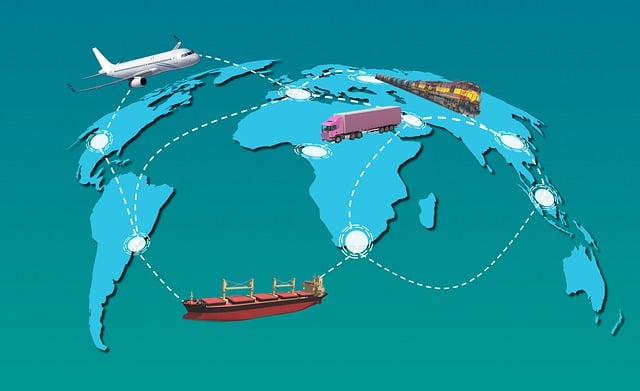
For e-commerce businesses, international shipping is more than just a logistical step. It’s an essential service that marks their giant leap into a global market. It allows e-commerce businesses to discover what they're truly capable of and explore a genuine demand for their products.
When shipping internationally, even slight differences in shipping prices can impact profit margins. If shipping internationally is too expensive, this may eat into your product cost. Which, in turn, affects the international preference and demand for your merchandise.
The ability to reduce international shipping costs gives businesses an edge in the global market. But keeping shipping expenses manageable requires an understanding of how international shipping costs are determined. From here, you can make smart adjustments to cut costs without compromising service quality.
Factors Affecting International Parcel Rates
Below, we break down the key factors that affect what you’ll pay for international parcel rates, as well as how you can plan ahead to manage international shipping costs effectively.

One of the most significant factors that affects international shipping rates is the size and weight of your parcel. Carriers calculate rates based on two measurements:
Actual weight – the physical weight of your package.
Dimensional weight (or “dim weight”) – a calculation that considers how much space your parcel occupies in relation to its weight.
Suppose your package is bulky but lightweight (such as a pillow, plastic container, stuffed animal, or any other hollow item). In that case, it may still incur higher charges because it occupies valuable cargo space.
Shipping companies typically use the higher of the two weights —actual or dimensional —to determine your freight rate.
Tip to save money:
Use right-sized packaging to avoid oversized boxes.
Remove unnecessary packing fillers.
Consolidate multiple items into a single box, if possible.
Find innovative ways to reduce the dimensions of your product during transit.
A simple packaging review can reduce costs significantly across hundreds of international shipments each month.
One of the most significant factors that affects international shipping rates is the size and weight of your parcel. Carriers calculate rates based on two measurements:
Actual weight – the physical weight of your package.
Dimensional weight (or “dim weight”) – a calculation that considers how much space your parcel occupies in relation to its weight.
Suppose your package is bulky but lightweight (such as a pillow, plastic container, stuffed animal, or any other hollow item). In that case, it may still incur higher charges because it occupies valuable cargo space.
Shipping companies typically use the higher of the two weights —actual or dimensional —to determine your freight rate.
Tip to save money:
Use right-sized packaging to avoid oversized boxes.
Remove unnecessary packing fillers.
Consolidate multiple items into a single box, if possible.
Find innovative ways to reduce the dimensions of your product during transit.
A simple packaging review can reduce costs significantly across hundreds of international shipments each month.
#2 Shipping Distance
The shipping distance between the origin and the destination plays a significant role in determining shipping prices. Longer distances mean higher fuel consumption, more handling, and often higher costs.
Shipping companies divide destinations into shipping zones, with each zone representing a geographic range. The farther your parcel travels across zones, the more you’ll pay in shipping expenses.
For example, sending a parcel from Singapore to Malaysia (a short distance) costs significantly less than sending it to the United States or Europe.
Tip to save money:
Partner with logistics providers who operate within an established supply chain network. Their regional fulfilment centres can shorten delivery routes and reduce last-mile shipping costs for long-distance shipments.
Also, to help set customer expectations, price your product differently for each region. You can modify your e-commerce site to display different product prices based on the visitor's area.
The shipping distance between the origin and the destination plays a significant role in determining shipping prices. Longer distances mean higher fuel consumption, more handling, and often higher costs.
Shipping companies divide destinations into shipping zones, with each zone representing a geographic range. The farther your parcel travels across zones, the more you’ll pay in shipping expenses.
For example, sending a parcel from Singapore to Malaysia (a short distance) costs significantly less than sending it to the United States or Europe.
Tip to save money:
Partner with logistics providers who operate within an established supply chain network. Their regional fulfilment centres can shorten delivery routes and reduce last-mile shipping costs for long-distance shipments.
Also, to help set customer expectations, price your product differently for each region. You can modify your e-commerce site to display different product prices based on the visitor's area.
#3 Delivery Priority

Your chosen shipping method, whether standard shipping, express shipping, or economy freight, directly affects shipping cost.
Air freight is faster but usually more expensive. It’s ideal for time-sensitive or high-value goods.
Sea freight (ocean freight) is a slower but cost-effective option for bulk or heavy shipments.
Land freight works for regional deliveries across connected borders (e.g., Singapore–Malaysia–Thailand routes).
You’re at a crossroads: prioritise faster delivery and higher service levels at tighter margins, or protect margins with slower, lower-priority delivery.
In that case, we have the following tips:
Tips to save money:
Always opt for the most affordable freight option. It will be slower, but it will eat less into your margins. Not every international order requires next-day delivery.
Manage customer expectations by indicating the expected delivery time. If it takes up to 30 days to reach their door, you should suggest this on your product and checkout pages.
Offer tiered shipping options at checkout, allowing customers to choose between speed and savings. This approach keeps your business flexible while aligning with diverse customer expectations.
Air freight is faster but usually more expensive. It’s ideal for time-sensitive or high-value goods.
Sea freight (ocean freight) is a slower but cost-effective option for bulk or heavy shipments.
Land freight works for regional deliveries across connected borders (e.g., Singapore–Malaysia–Thailand routes).
Always opt for the most affordable freight option. It will be slower, but it will eat less into your margins. Not every international order requires next-day delivery.
Manage customer expectations by indicating the expected delivery time. If it takes up to 30 days to reach their door, you should suggest this on your product and checkout pages.
Offer tiered shipping options at checkout, allowing customers to choose between speed and savings. This approach keeps your business flexible while aligning with diverse customer expectations.
#4 Fuel Fluctuations
Fuel prices are one of the most volatile elements in global logistics. When fuel costs rise, carriers implement fuel surcharges to offset expenses.
These additional fees can vary depending on market conditions and the mode of transportation, with air freight typically being more affected than sea freight. Alternative fuels and eco-friendly fleets are helping stabilise some of these costs, but fluctuations still pose challenges for global supply chains.
Tips to save money:
Track fuel fluctuations and forecast costs in your pricing strategy.
Use carriers that provide transparent surcharge tables.
Consider working with logistics providers who offer fixed-rate contracts or utilise multi-modal transportation options to mitigate pricing fluctuations.
You'd also want to consider fuel fluctuations before pricing your products. That way, even during fuel surcharges, your product's costs remain the same. Loyal customers will notice when your wares increase in price, which could affect patronage and trust.
Track fuel fluctuations and forecast costs in your pricing strategy.
Use carriers that provide transparent surcharge tables.
Consider working with logistics providers who offer fixed-rate contracts or utilise multi-modal transportation options to mitigate pricing fluctuations.
#5 Import Taxes and Duties

When shipping internationally, your parcel crosses borders. That means dealing with customs authorities. These agencies assess customs fees, import taxes, and duties based on the declared value and product category.
So if you're shipping luxury goods and electronics, be prepared for higher import taxes.
Customs regulations vary by country, and non-compliance can lead to delays, extra costs, or even returned shipments. Some items may also require special handling or certifications before import.
Tips to save money:
Familiarise yourself with each destination’s customs regulations.
Provide accurate documentation to avoid unexpected costs or exorbitant fees.
Work with a logistics partner that offers customs clearance assistance. They’ll handle customs clearance for you, ensuring your goods comply with local laws.
Familiarise yourself with each destination’s customs regulations.
Provide accurate documentation to avoid unexpected costs or exorbitant fees.
Work with a logistics partner that offers customs clearance assistance. They’ll handle customs clearance for you, ensuring your goods comply with local laws.
Optimise your International Shipping Today
Managing international shipments involves more than just comparing international postage. It’s about developing a shipping strategy that aligns with your business objectives, minimises costs, and provides a seamless customer experience.
It also helps to integrate these factors into your business processes, from your e-commerce policies to the pricing of your goods and the delivery options you offer to your customers.
Plus, partnering with an experienced end-to-end logistics provider like Airpak Express allows e-commerce businesses to:
Access competitive freight rates across air, sea, and land freight.
Tap into a global supply chain network that supports cross-border growth.
Streamline customs clearance and avoid hidden fees or unforeseen circumstances.
Plan ahead with predictable shipping costs.
Whether you’re shipping small parcels or bulk containers, a reliable logistics partner ensures every order arrives safely, efficiently, and cost-effectively. So you can focus on business growth and customer satisfaction.
Access competitive freight rates across air, sea, and land freight.
Tap into a global supply chain network that supports cross-border growth.
Streamline customs clearance and avoid hidden fees or unforeseen circumstances.
Plan ahead with predictable shipping costs.