
End-to-End Logistics vs. Traditional Shipping: What’s the Difference?
In today’s fast-moving e-commerce world, getting products from suppliers to customers is more than just about transport. It’s about how well your supply chain runs as a whole. Many businesses still rely on traditional shipping, thinking it covers the full process. In reality, it’s only one part of a much bigger picture.
That’s where end-to-end logistics comes in. It looks at the entire supply chain, from inventory management to the last-mile delivery, creating a seamless flow that keeps business operations running smoothly. For e-commerce businesses aiming to scale, understanding the main differences between these two approaches can help improve efficiency and boost customer satisfaction.
Key Takeaways
Shipping focuses on transport, while end-to-end logistics covers the entire supply chain: from procurement to delivery.
Traditional shipping is ideal for smaller businesses that only ship locally. It's unlikely they'll be needing dedicated storage and order fulfillment solutions.
Traditional shipping can also cater to businesses that already have a robust warehouse infrastructure. That's because these types of businesses won't typically need another warehousing solution.
End-to-end logistics solutions provide inventory management, warehousing, order processing, and order fulfillment in addition to shipping and delivery
SMEs would benefit from end-to-end logistics They're ideal for businesses that want to expand their market but don't have the upfront resources to acquire in-house warehousing and staff.
What is Logistics vs What is Shipping?: Common Misconceptions
Many people use “logistics” and “shipping” interchangeably, but they mean very different things.
Shipping focuses mainly on transport. Moving goods from one point to another. In a traditional supply chain, shipping begins when a product leaves the warehouse and ends when it’s delivered to the customer. It’s a single step within the entire process.
Logistics, on the other hand, covers the full picture. It involves supply chain management, inventory control, order management, procurement, packing, and even reverse logistics such as returns. End-to-end logistics connects all these different stages into one single process, ensuring every link in the supply chain network works together efficiently.
In short:
Shipping - movement of goods.
Logistics - management of the entire process from supplier to consumer.
By understanding this distinction, businesses can make smarter decisions about which approach aligns best with their business goals and current setup.
End-to-End Logistics vs Traditional Shipping: Key Differences
Let’s explore the main differences between end-to-end logistics and traditional shipping across several key areas.
Setup
Traditional Shipping is often fragmented. Businesses coordinate separately with suppliers, transporters, and couriers. Each part of the chain operates independently, leading to fewer efficiencies and more errors when information doesn’t flow smoothly.
End-to-End Logistics, in contrast, is a single process managed through integrated e-logistics solutions. Everything, from inventory management and demand planning to order management and return logistics, is provided by a single provider. Each stage of the bigger logistics service (i.e., inventory management, warehousing, order fulfilment) is connected through digital tools that share real-time data across departments.
For example, when a customer places an order, the system automatically updates stock levels, alerts suppliers if inventory is low, and initiates shipment tracking for the order. This seamless setup helps businesses reduce costs and minimise mistakes.
Scope of Service
Traditional shipping is limited in scope. It focuses mainly on transport: moving goods from the store or warehouse to the end customer. Once the parcel is delivered, the process is considered complete.
End-to-end logistics, however, covers the entire supply chain. In addition to order shipping, end-to-end logistics also covers:
Inventory Management. Logistics involves keeping and managing stock, and ensuring actual, physical stock is reflected properly on e-commerce inventory systems.
Warehousing. Logistics also involves keeping stock of your merchandise, ensuring it's stored in optimal conditions.
Order Fulfilment. Logistics covers order fulfilment as well: picking, packing, and labelling orders before they're shipped out to their respective customers.
Returns Processing. End-to-end logistics continues providing stellar customer service even after a sale is made by ensuring unsatisfied customers (e.g., shirt is the wrong size) get their return processed.
International Solutions. Logistics also covers the processes required for businesses to cater to an international market.
By managing the full flow, end-to-end logistics solutions help companies meet demand and build stronger customer relationships.
Integration and Visibility
In traditional shipping, visibility is often limited to the shipping stage. Businesses may receive updates only after the parcel is in transit, making it difficult to anticipate delays or track inventory levels accurately. This lack of transparency can lead to stockouts and missed deliveries.
As such, traditional shipping is "less integrated" with the overarching order fulfilment service. It acts more as a detached fragment of the fulfilment process.
The only information SMEs receive is whether the parcel has been delivered. Updating stock would be a separate function.
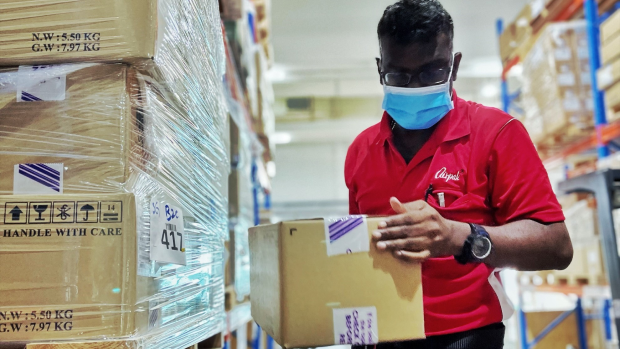
End-to-end logistics, on the other hand, leverages real-time tracking and data analysis to give complete visibility across every stage. Using modern technology, businesses can monitor stock movement and delivery status in real time.
Compared to traditional shipping, end-to-end logistics integrates better with the overarching fulfilment process. That's because all the aspects, from shipping to stock management to the after-sales return process, are interconnected. This means that if a delivery is successful, the stock will automatically be updated. If a return has been initiated and successfully processed, it will also reflect on the inventory management system.
Flexibility and Scalability
Traditional shipping can struggle to adapt when demand fluctuates. Expanding operations often means negotiating with more carriers. This can be both time-consuming and costly. If demand spikes or the business expands internationally, traditional shipping alone can’t handle the increased order volume.
Though, traditional shipping can be more accommodating to businesses that already have the warehouse infrastructure. These are the kinds of ecommerce businesses that are only missing a courier service.
End-to-end logistics provides built-in flexibility. Businesses can scale up or down based on customer demand thanks to the customisability and flexibility afforded by end-to-end logistics.
For instance, partnering with a logistics provider like Airpak Express gives access to multiple fulfilment centres across Asia and beyond. So if you decide to cater to an international market soon, you won't have any issues doing so. If you wish to draw back your storage capacity after peak seasons, you can easily do so as well.
End-to-end logistics allows companies to expand into new markets, maintaining reliable delivery and service without heavy investment in infrastructure.
Cost Efficiency
Traditional shipping only involves getting your merchandise from the warehouse to the customer. Which means, if you opt for traditional shipping, you'll need a separate provider for warehousing.
Managing separate providers can increase costs and reduce overall efficiency. These traditional logistics setups often involve a lack of integration, and as a result, higher shipping expenses. There will also be limited data visibility across the logistics stages, which can increase mistakes and drive up operational costs.
End-to-end logistics, by contrast, integrates all functions (e.g., warehousing, order fulfilment, shipping, and returns processing) into a single, coordinated system. This leads to better resource utilisation, optimised routes, and fewer mistakes. Though it may initially cost more due to the convenience it affords, it can lead to reduced operational costs and overhead in the long term.
Which is Better for You?
Choosing between end-to-end logistics and traditional shipping depends on your business goals and scale.
If you’re managing a small operation with local deliveries, traditional shipping might suffice for now.
Or if you're large enough to have your own warehouse infrastructure, you may opt to partner with a large-scale courier. Since you wouldn't be needing the warehousing services of a 3PL provider.
However, as your business expands and you aim to serve more customers across regions, relying solely on shipping can limit growth. But you wouldn't want to deal with massive upfront costs associated with acquiring infrastructure either.
If you're caught at that crossroads, end-to-end logistics supports risk-free expansion.
If you need to scale up, 3PL providers, such as Airpak, won't lock you in with long-term lease contracts.
If you need to dial things back down, these providers will amend your fees and rent accordingly.
These end-to-end solutions typically allow you to "pay as you go", integrating well with your business' growth.
Partner with an End-to-End Logistics Provider Today!
Managing your own supply chain can be challenging, especially when you’re juggling storage, shipment tracking, and delivery management all at once. That’s why partnering with a trusted end-to-end logistics provider, like us at Airpak Express, can make all the difference.
With decades of experience in supply chain management, we offer comprehensive e-logistics solutions that cover the entire process, from inventory management and warehousing to last-mile delivery and returns processing.
By working with us, businesses gain access to a vast supply chain network and innovative logistics solutions tailored to their needs. Whether you’re looking to expand internationally or want to enhance customer satisfaction, we help you stay competitive.
Frequently Asked Questions
What Is End-To-End Logistics?
End-to-end logistics is the management of the entire supply chain, covering sourcing raw materials, inventory management, distribution, and return logistics, all connected through a unified system.
How Is Traditional Shipping Different?
Traditional shipping focuses solely on transport: getting goods from one location to another, without integrating other supply chain functions such as warehousing or inventory control.
What Are The Key Benefits Of End-To-End Logistics?
It provides real-time visibility, reduces shipping expenses, improves demand planning, and delivers a smoother customer experience through coordinated processes and advanced technology.
How Can Airpak Express Help My Business?
We offer end-to-end logistics solutions that combine delivery, tracking, and inventory control into a single service. This helps your company meet customer demand efficiently, without worrying about massive commitments and upfront costs.
Can End-To-End Logistics Reduce My Costs?
Yes. By streamlining the entire process and eliminating manual handoffs, end-to-end logistics can significantly reduce costs, improve accuracy, and reduce mistakes across your supply chains.