


What Do You Need to Do Order fulfilment In-House
Managing the order fulfilment process is critical for customer satisfaction and business growth.
Handling fulfilment in-house allows you to control every step of the order fulfilment process—from receiving inventory and picking, packing, and shipping orders to tracking customer orders and managing returns. It provides significant flexibility and interoperability with your existing systems.
Understanding the tools, software, and staffing required for in-house order fulfilment is essential for ensuring timely delivery and providing an exceptional customer experience.
Key Takeaways
In-house order fulfilment gives businesses complete control over the entire process, from receiving inventory to shipping orders. This control allows for higher accuracy, quality control, and flexibility in adapting processes as needed.
Using the right tools and infrastructure, such as shelving, pallet movers, and a dedicated warehouse, streamlines operations. Efficient physical workflows reduce errors, speed up fulfilment, and improve operational efficiency.
Software systems like OMS, inventory management software, and shipping tools are critical for integrating multiple channels. These systems enable real-time tracking, prevent stockouts, and ensure timely delivery.
Clearly defined roles and a strong fulfilment strategy are essential for smooth operations. Standard operating procedures, work policies, and peak-season protocols help maintain consistency and reduce mistakes.
Outsourcing fulfilment to a 3PL provider, like Airpak Express, can save time, reduce costs, and improve customer satisfaction. It allows businesses to scale quickly without investing heavily in infrastructure, staff, or technology.
What Can Order fulfilment Do for Your e-commerce Store
The order fulfilment process is a pillar for a growing e-commerce business.
It's the entire process of getting an item from the warehouse to the ordering customer. It involves order management and sorting, picking and packing, warehouse sorting, and shipping.
A proper order fulfilment process results in:
Faster deliveries. Streamlined operations ensure orders move through picking, packing, and shipping with minimal delay.
Fewer cancellations, returns, and refunds. Accurate inventory syncing and timely processing reduce errors that lead to customer dissatisfaction.
Improved shopper experience. Customers enjoy smoother, more reliable transactions when orders are handled consistently across all channels.
Repeat purchases. Positive fulfilment experiences build trust, encouraging customers to buy from the store again.
Efficient order fulfilment ensures that customer purchases are processed, picked, packed, and shipped promptly. Through proper order fulfilment, you gain the benefits mentioned above, improving customer satisfaction and loyalty.
Benefits of Doing Order fulfilment In-House (a.k.a. Merchant fulfilment)
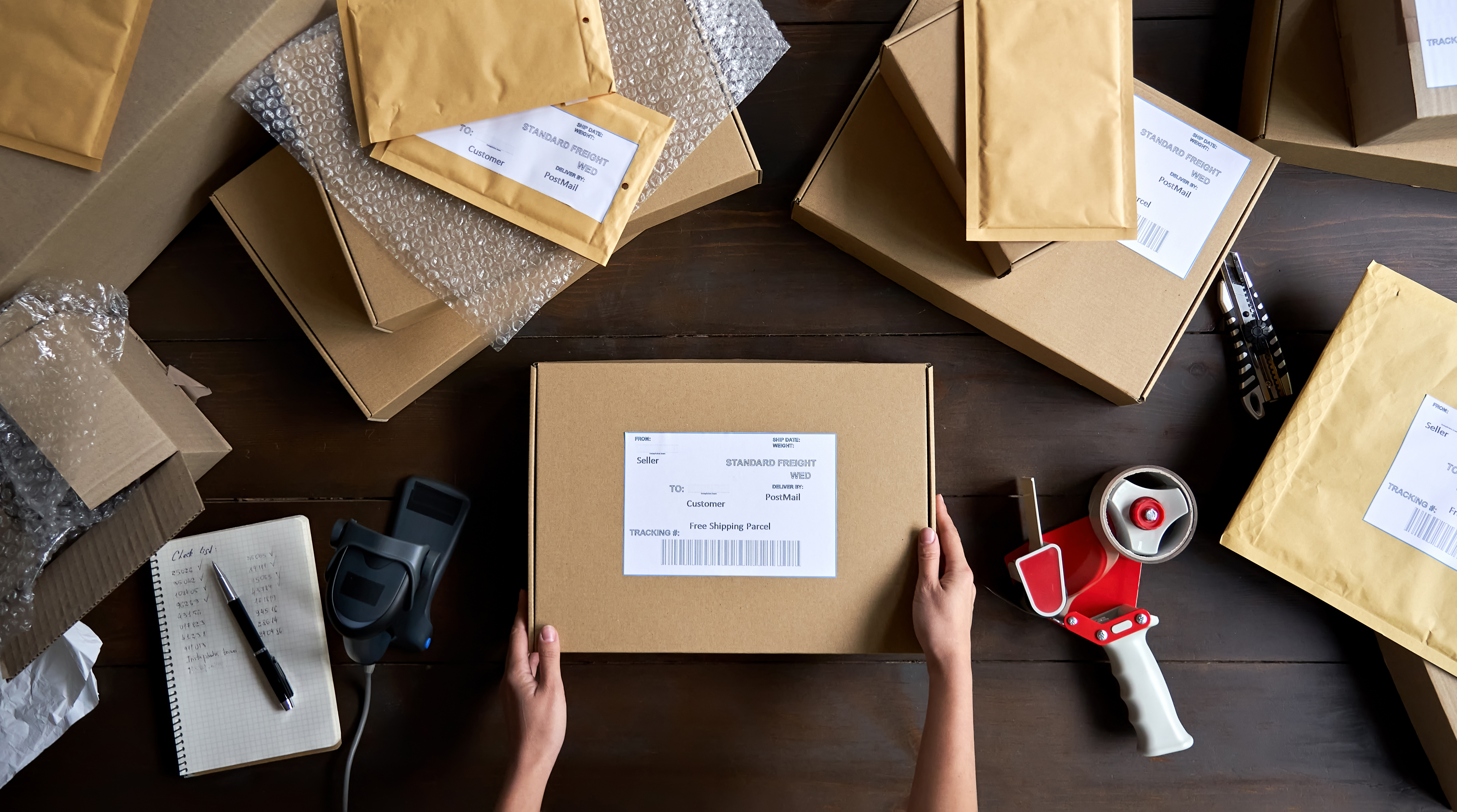
A business may have its entire fulfilment process outsourced, or it may do it in-house. Most startups and SMEs would prefer to outsource their order fulfilment, due to the upfront expenses associated with in-house fulfilment.
However, in-house fulfilment doesn't need to be costly. Startups may use their home or office as a warehouse, especially if they're receiving a few orders a day. If the orders are manageable, a single person--typically the business owner--can be the receiving clerk, inventory manager, and shipping coordinator.
When a merchant decides to handle the order fulfilment process in-house, this is known as merchant fulfilment. The benefits of this include:
Complete Control Over the Fulfilment Process: Handling orders internally allows you to monitor every stage of order processing, from receiving inventory to shipping. This ensures quality control and reduces the risk of fulfilment errors.
Interoperability and Integration: In-house order fulfilment allows a business to better tailor their order fulfilment workflow to their particular needs, adopting and integrating the fulfilment process with existing systems.
Customisation of Packaging and Branding: You can add personalised touches such as branded packaging, packing slips, and shipping labels to enhance the customer experience and reinforce brand identity.
Reduced Reliance on Third-Party Providers: By performing fulfilment in-house, a business maintains its independence and operational flexibility as they grow.
Long-term Cost-Efficiency: Although upfront, the costs of infrastructure, systems, and staff become more cost-effective with scale and time. This results in lower operating costs for larger businesses.
Complete Control Over the Fulfilment Process: Handling orders internally allows you to monitor every stage of order processing, from receiving inventory to shipping. This ensures quality control and reduces the risk of fulfilment errors.
Interoperability and Integration: In-house order fulfilment allows a business to better tailor their order fulfilment workflow to their particular needs, adopting and integrating the fulfilment process with existing systems.
Customisation of Packaging and Branding: You can add personalised touches such as branded packaging, packing slips, and shipping labels to enhance the customer experience and reinforce brand identity.
Reduced Reliance on Third-Party Providers: By performing fulfilment in-house, a business maintains its independence and operational flexibility as they grow.
Long-term Cost-Efficiency: Although upfront, the costs of infrastructure, systems, and staff become more cost-effective with scale and time. This results in lower operating costs for larger businesses.
Stages of The Merchant fulfilment Process
The step-by-step process for fulfilling orders in-house involves the following:
Step 1: Receive Orders. Customer orders are collected from online stores. Each order contains information about the SKUs requested and the customer's delivery details (e.g., name, phone number, address).
Step 2: Get the Ordered Items. Items are picked from storage or shelves according to the order details.
Step 3: Print the Shipping Label. Shipping labels are generated with the customer’s address and tracking information. This step ensures the package is routed correctly through the delivery network.
Step 4: Package the Product. Products are securely packed with the shipping label attached and handed off to the courier.
Step 5: Arrange Delivery. Packages are handed over to a courier service for the last delivery leg. At this stage, the customer should receive their order.
Smaller businesses can easily do these from their own homes. However, as they scale, they'll need more dedicated equipment to handle larger order quantities.
Step 1: Receive Orders. Customer orders are collected from online stores. Each order contains information about the SKUs requested and the customer's delivery details (e.g., name, phone number, address).
Step 2: Get the Ordered Items. Items are picked from storage or shelves according to the order details.
Step 3: Print the Shipping Label. Shipping labels are generated with the customer’s address and tracking information. This step ensures the package is routed correctly through the delivery network.
Step 4: Package the Product. Products are securely packed with the shipping label attached and handed off to the courier.
Step 5: Arrange Delivery. Packages are handed over to a courier service for the last delivery leg. At this stage, the customer should receive their order.
Tools and Equipment Needed for an In-House fulfilment Process
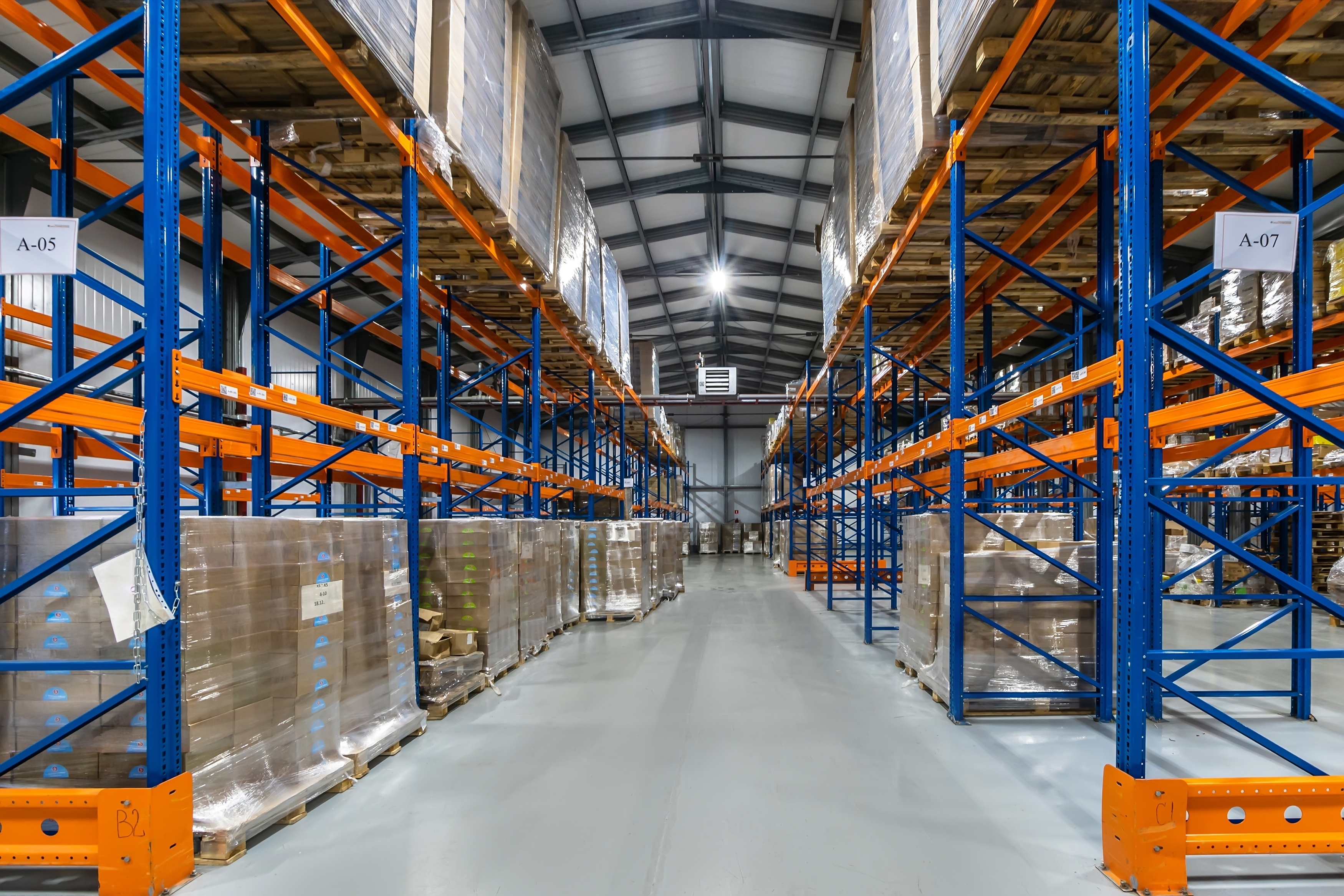
Some of the most significant upfront costs that go into building an entire fulfilment process in-house for an online business are in the physical infrastructure.
These are the physical tools and equipment that an efficient order fulfilment process requires to run. They primarily include:
Warehouse: A dedicated company warehouse is essential for receiving inventory, storing products, and managing order fulfilment. It should provide sufficient space to accommodate expected order volumes and enable efficient pick, pack, and ship operations.
Shelving: Shelving units are crucial for organized storage and easy access to products. Proper shelving improves inventory tracking, reduces picking errors, and streamlines fulfilment operations.
Pallet Movers and Trolleys: These tools facilitate the movement of bulk inventory within the warehouse. They help fulfill orders efficiently by speeding up the process of transporting products to packing stations.
Warehouse: A dedicated company warehouse is essential for receiving inventory, storing products, and managing order fulfilment. It should provide sufficient space to accommodate expected order volumes and enable efficient pick, pack, and ship operations.
Shelving: Shelving units are crucial for organized storage and easy access to products. Proper shelving improves inventory tracking, reduces picking errors, and streamlines fulfilment operations.
Pallet Movers and Trolleys: These tools facilitate the movement of bulk inventory within the warehouse. They help fulfill orders efficiently by speeding up the process of transporting products to packing stations.
Software Required for In-House Order fulfilment
In addition to the physical infrastructure, systems and software are also required. They keep order fulfilment integrated and seamless for online businesses.
Order fulfilment software manages inventory and sales, keeping them streamlined across multiple sales channels. These include:
Order Management System: An order management system (OMS) centralises order processing, tracks customer orders, and coordinates shipping processes. It ensures timely delivery and efficient order fulfilment even as order volume grows.
Inventory Management System: Inventory management software provides real-time inventory tracking, inventory distribution insights, and warehouse management capabilities. It helps prevent stockouts, reduce shipping costs, and streamline fulfilment operations.
Shipping Software. Shipping software aids in the shipping and delivery phase of order fulfilment. It prints labels and connects with popular courier services to automate order delivery.
These features are typically bundled into "all-in-one" SaaS offerings. Popular options include Shopify and WooCommerce (which also act as website builders and hosters). However, as an all-in-one solution, the inventory management offered by these platforms can be fairly basic for some users.
More robust solutions include dedicated inventory and shipping tools such as Zoho Inventory and Ordoro, as well as enterprise ecommerce platforms like Magento (Adobe Commerce).
Roles Needed to Do Order fulfilment In-House

Note that the guide mentions roles, not necessarily staff. That's because for smaller scale operations, it's possible for a single person to perform more than one of these roles.
For starting businesses, the owner can be all of these roles. For small yet established businesses, a single warehouse manager can fulfill these obligations.
The required roles for an in-house fulfilment strategy include:
Pickers and Packers: Pickers select products from warehouse shelves based on customer orders, while packers prepare shipments with packing slips and shipping labels. Their accuracy directly affects customer satisfaction and reduces fulfilment errors.
Inventory Controller: The inventory controller manages stock levels, reconciles inventory records, and monitors key performance indicators. Proper inventory management is essential to maintain operational efficiency and fulfill orders efficiently.
Receiving Clerk: The receiving clerk handles incoming shipments, inspects inventory quality, and updates inventory management systems. Timely and accurate receiving ensures smooth fulfilment processes.
Shipping Coordinator: The shipping coordinator prepares shipments, prints shipping labels, schedules courier pickups, and monitors delivery status. This role ensures that customer orders are shipped promptly and arrive on time.
Order Management System: An order management system (OMS) centralises order processing, tracks customer orders, and coordinates shipping processes. It ensures timely delivery and efficient order fulfilment even as order volume grows.
Inventory Management System: Inventory management software provides real-time inventory tracking, inventory distribution insights, and warehouse management capabilities. It helps prevent stockouts, reduce shipping costs, and streamline fulfilment operations.
Shipping Software. Shipping software aids in the shipping and delivery phase of order fulfilment. It prints labels and connects with popular courier services to automate order delivery.
Pickers and Packers: Pickers select products from warehouse shelves based on customer orders, while packers prepare shipments with packing slips and shipping labels. Their accuracy directly affects customer satisfaction and reduces fulfilment errors.
Inventory Controller: The inventory controller manages stock levels, reconciles inventory records, and monitors key performance indicators. Proper inventory management is essential to maintain operational efficiency and fulfill orders efficiently.
Receiving Clerk: The receiving clerk handles incoming shipments, inspects inventory quality, and updates inventory management systems. Timely and accurate receiving ensures smooth fulfilment processes.
Shipping Coordinator: The shipping coordinator prepares shipments, prints shipping labels, schedules courier pickups, and monitors delivery status. This role ensures that customer orders are shipped promptly and arrive on time.
Building a fulfilment Strategy
For a complete and functional order fulfilment process, an online business should tie all of these tools and systems together.
A fulfilment strategy requires the following:
Standard operating procedures. Clear step-by-step instructions ensure every order is handled consistently and accurately. This helps reduce mistakes, improve efficiency, and maintain a smooth workflow across the fulfilment process.
Work policies. Guidelines on workplace safety and inventory handling promote consistent efficiency. Work policies ensure a reliable, professional fulfilment environment free from accidents and delays.
Schedules and shifts for staff. Proper staffing ensures that orders are picked, packed, and shipped on time throughout the day. Well-organized shifts prevent bottlenecks during peak hours and keep the fulfilment process running efficiently.
Clearly-defined roles. Assigning specific responsibilities to staff, such as picking, packing, or shipping, prevents confusion and overlap. Clearly-defined roles improve accountability and ensure that all steps of the fulfilment process are covered.
Protocol during promos and peak seasons. Special procedures are needed to manage increased order volumes during sales or holiday periods. These protocols help maintain delivery speed, reduce errors, and ensure customer satisfaction even under high demand.
Standard operating procedures. Clear step-by-step instructions ensure every order is handled consistently and accurately. This helps reduce mistakes, improve efficiency, and maintain a smooth workflow across the fulfilment process.
Work policies. Guidelines on workplace safety and inventory handling promote consistent efficiency. Work policies ensure a reliable, professional fulfilment environment free from accidents and delays.
Schedules and shifts for staff. Proper staffing ensures that orders are picked, packed, and shipped on time throughout the day. Well-organized shifts prevent bottlenecks during peak hours and keep the fulfilment process running efficiently.
Clearly-defined roles. Assigning specific responsibilities to staff, such as picking, packing, or shipping, prevents confusion and overlap. Clearly-defined roles improve accountability and ensure that all steps of the fulfilment process are covered.
Protocol during promos and peak seasons. Special procedures are needed to manage increased order volumes during sales or holiday periods. These protocols help maintain delivery speed, reduce errors, and ensure customer satisfaction even under high demand.
In-House Order fulfilment vs. 3PL Provider Order fulfilment Service
The key differences between merchant fulfilment and 3PL provider fulfilment services lie in three aspects: the costs associated with each approach, the configuration flexibility of both approaches, and who they're ideal for:
Understanding these differences will help determine whether self-fulfilment is the right approach for any particular business, or if third-party logistics would be the better approach.
Partner with a 3PL Provider for Complete Order Fulfilment Today!
Airpak Express provides comprehensive warehousing and fulfilment solutions in Singapore.
We handle complete logistics, from warehousing to order fulfilment and last-mile delivery. Our logistics expertise helps e-commerce businesses streamline order fulfilment, reduce shipping costs, and improve customer experience.
By outsourcing fulfilment to a trusted 3PL provider, you gain access to physical infrastructure you didn’t initially have, such as geographically-situated warehouses and fulfilment centers. We scale with your business, ensuring that at every milestone, customer satisfaction and loyalty are maintained with stellar service. Get in touch with us today!
Frequently Asked Questions (FAQs)
What are the risks of doing order fulfilment in-house?
In-house fulfilment can be resource-intensive, requiring upfront investment in warehouse space, equipment, and software. Mistakes in inventory management or shipping can also lead to delays, customer dissatisfaction, or higher operational costs if not managed properly.
Can a home or small office be used for in-house fulfilment?
Yes, for businesses with low order volumes, a home or office space can serve as a mini-warehouse. However, as order volumes grow, dedicated space and proper storage solutions become essential for efficiency and scalability.
How much staff is needed to fulfill orders in-house?
The number of staff depends on order volume and complexity. Smaller operations may have a single person performing multiple roles, while larger operations need dedicated pickers, packers, inventory controllers, and shipping coordinators.
How does in-house fulfilment affect shipping costs?
In-house fulfilment allows businesses to control shipping methods and negotiate rates directly with carriers. However, without volume discounts or optimized shipping processes, costs can be higher compared to using a 3PL.
Can in-house fulfilment handle multiple sales channels?
Yes, with integrated systems that synchronize inventory and orders across all platforms. This ensures accurate stock levels and prevents overselling, even when selling on a website, marketplaces, or social media shops.
Is in-house fulfilment scalable as the business grows?
It can be, but scalability requires investment in additional staff, larger warehouses, and more sophisticated systems. Many businesses start in-house and transition to 3PL support once order volumes become unmanageable.

No time to manage complex post-shipment invoicing? Airpak ShipNow is your answer.
Prepaid shipping service catering to all your logistics needs.
Book and send your shipment with less than 5 clicks of the mouse!
Time to scale up your business. Let us handle the complexity of logistics management.
Register and create an account with us for seamless online ship management.
Access and manage all your shipments through one portal.