

What are The Stages of Last Mile Fulfillment?
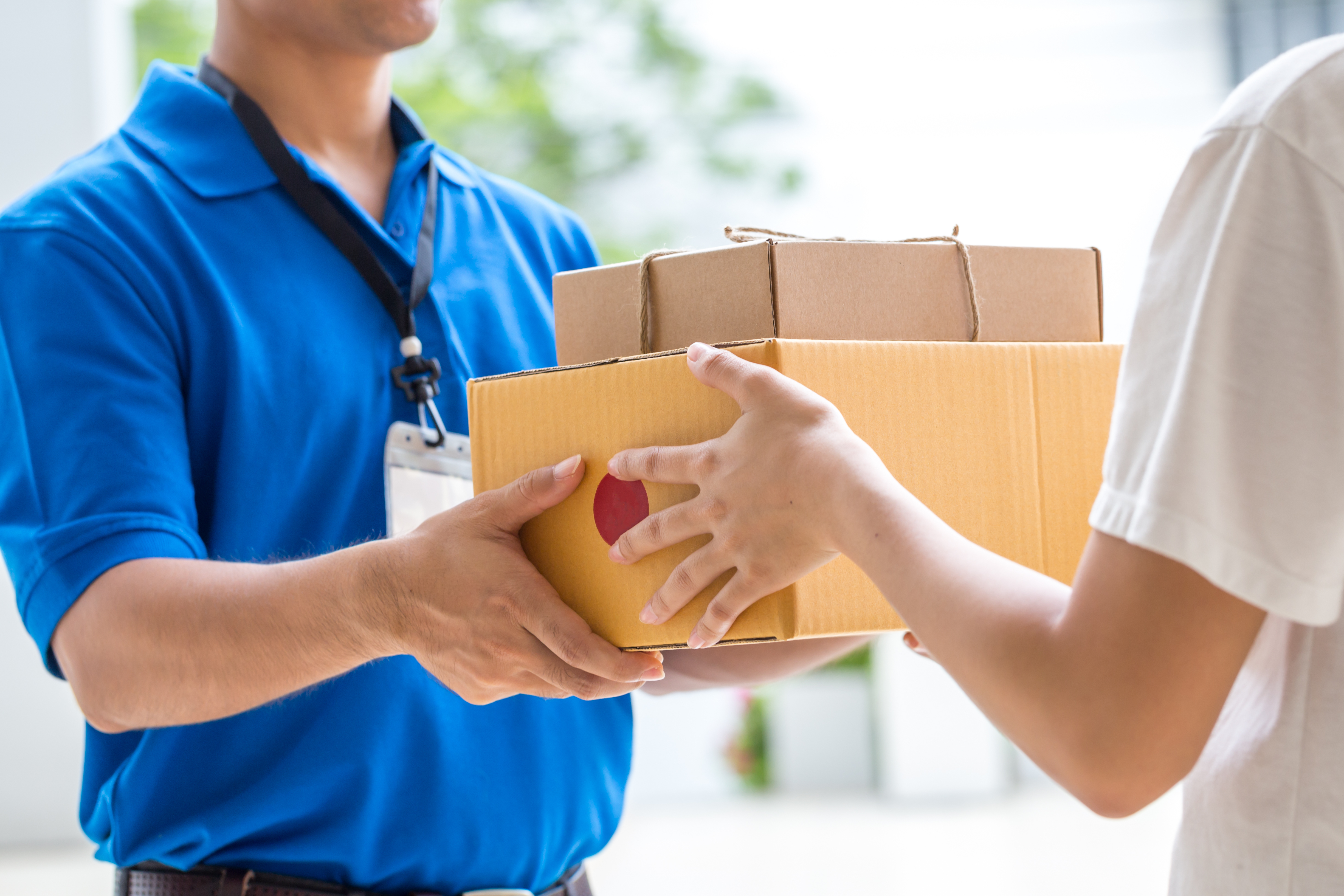
Last-mile delivery is the final leg of shipping, from the fulfilment centre or distribution hub to the customer's doorstep.
However, as simple as this sounds, there are still a lot of processes and tasks involved in that final mile. Though it seems as if it's as easy as getting a parcel to a neighbour's doorstep, merchants shouldn't be complacent. Messing up last mile fulfillment is a "so close, yet so far" mistake that can still sour the customer experience.
By understanding and optimizing the last mile delivery process, businesses can improve delivery speed, customer satisfaction, and gain a competitive advantage in today’s demanding market.
Key Takeaways
Last-mile fulfillment is the final and most customer-facing stage of order delivery. Its efficiency directly affects customer satisfaction and can make or break the buying experience.
Packages at the last-mile warehouse differ greatly from those in central warehouses. They are already packed, labeled, and bundled according to the customer’s order, making them ready for dispatch.
The last-mile process includes warehouse receiving, sorting, and final delivery. Each step ensures accurate tracking, organized routing, and timely parcel drop-offs.
Challenges such as traffic, weather, and courier behavior can impact delivery success. Businesses must account for these variables to maintain reliability.
Partnering with couriers or 3PL providers improves cost efficiency and delivery performance. Outsourcing ensures access to established infrastructure, advanced tracking systems, and optimized operations.
Where does Last-Mile Fulfillment Fit Into Order Fulfillment
Last mile fulfillment refers to the final stage of the supply chain, where the customer's order is delivered to their doorstep.
This stage encompasses everything from the preparation of the package at the fulfillment center to route planning, transportation, and successful delivery. This stage involves variable traffic conditions (e.g., inclement weather, delivery surcharges) and customer availability. If delivery fails, the order must be returned to the last-mile warehouse.
With regards to the overall order fulfillment, last-mile fulfillment is the final step in the broader process (hence, the name). Efficient last-mile operations improve customer satisfaction, reduce failed deliveries, and enhance customer loyalty.
Last-Mile Fulfillment Packages vs. Central Warehouse Packages
There are crucial considerations to note between last-mile fulfillment packages and packages that have yet to begin order fulfillment. These are:
Last-mile fulfillment packages are already packed. Picking and packing happens at the start of the order fulfillment process. As such, orders at the last leg of their fulfillment are already packed and labelled.
Packages are sorted according to the customer's bundled order. Unlike in a central warehouse, where different SKUs are stored and sorted according to their category (e.g., tops, bottoms, accessories), a last-mile warehouse stores packages as the customer ordered them. So, in each parcel, there would be shoes and a shirt, for example.
Packages are ready to be handed to the customer. Unlike with merchandise at the beginning of the fulfillment process that have yet to be labeled, bundled, and packed; last-mile packages simply have to be handed to the customer.
Packages may contain damaged or wrong items. The last-mile fulfillment process has no control over mistakes made in the earlier stages of the fulfillment process. So, if the wrong SKU had been placed in a parcel, last-mile fulfillment can't switch it.
These are the biggest differences between packages in their last mile and orders that have yet to leave the warehouse. However, even though it seems a package simply need to reach the customer, the last-mile fulfillment can still be broken down into steps.
The stages of the last-mile fulfillment are as follows:
Stage 1: Last-Mile Warehouse Receiving
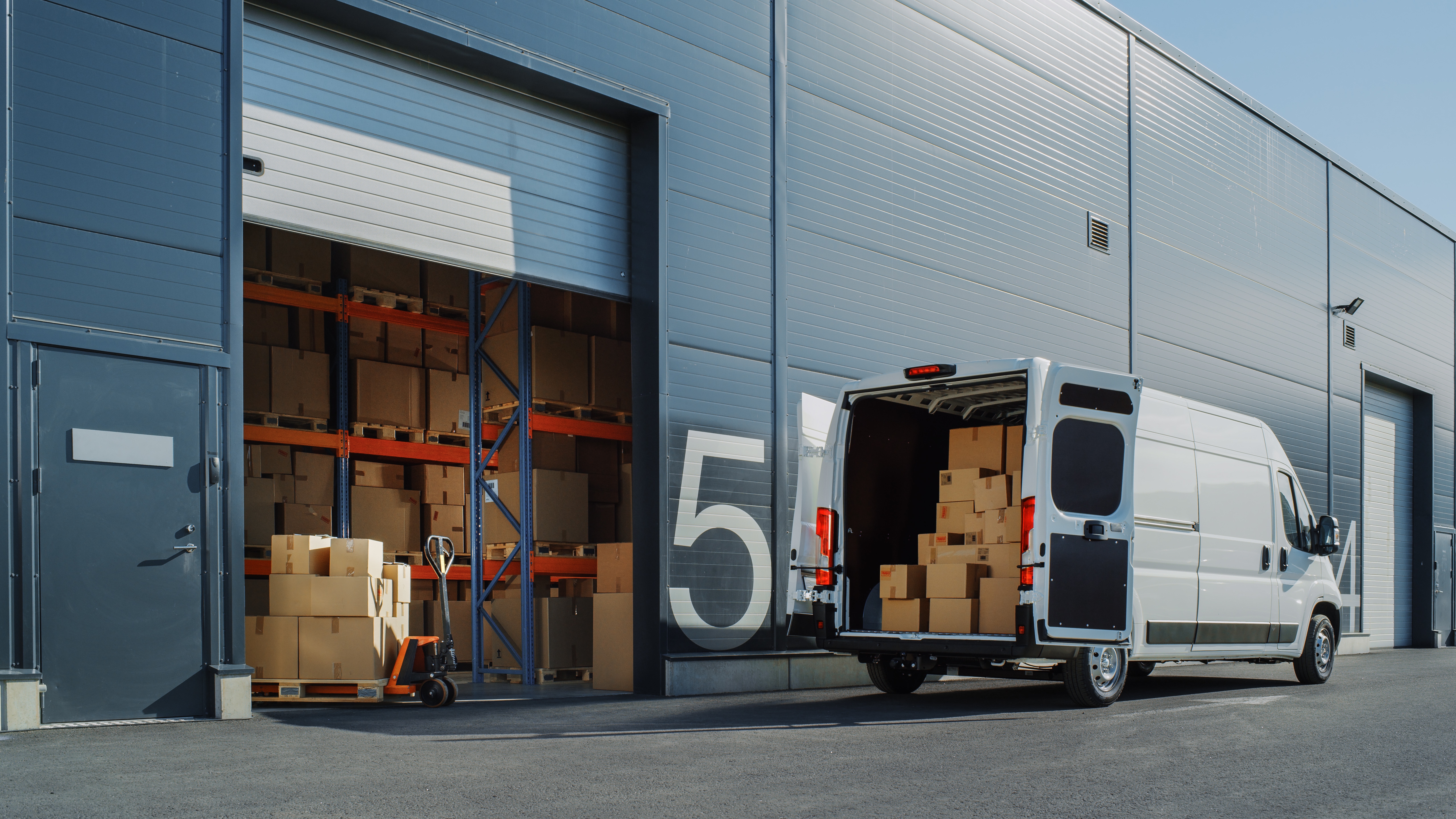
The first stage involves receiving packages at the last-mile warehouse closer to key customer segments. It involves the following tasks:
Packages arrive from central warehouses, distribution centers, or fulfillment centers.
Items are checked off against shipment manifests to confirm that the expected products have arrived.
Each package is inspected for damage, missing items, or labelling errors.
Packages are scanned into the warehouse management system (WMS) or last-mile tracking system.
Proper handling at this stage reduces errors in inventory tracking. It informs both the customer and the business that an order has arrived at the final stretch of delivery. Allowing the customer to track their order at this point helps set an expected delivery date, easing waiting anxieties.
Packages arrive from central warehouses, distribution centers, or fulfillment centers.
Items are checked off against shipment manifests to confirm that the expected products have arrived.
Each package is inspected for damage, missing items, or labelling errors.
Packages are scanned into the warehouse management system (WMS) or last-mile tracking system.
Stage 2: Package Sorting
After packages have been received, they are then sorted, organising them for quick delivery.
Items are grouped by delivery zone or route for efficient dispatch.
Packages are placed in staging areas according to their delivery sequence. This is influenced by delivery queue, delivery methods, and priority.
Sorting is critical for route optimisation and delivery efficiency. This helps to reduce fuel consumption (and hence, delivery costs) and minimise delivery time.
Items are grouped by delivery zone or route for efficient dispatch.
Packages are placed in staging areas according to their delivery sequence. This is influenced by delivery queue, delivery methods, and priority.
Stage 3: Final Mile Delivery
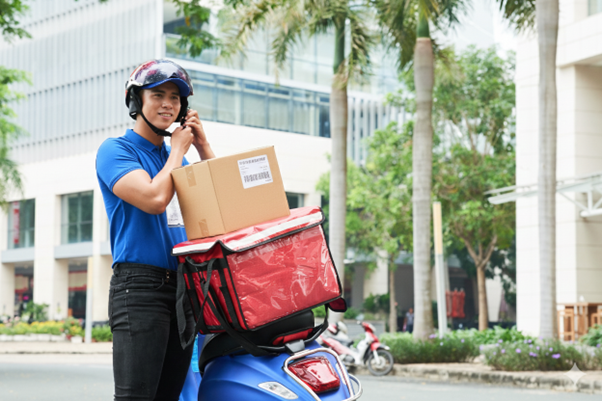
This is the final leg of the logistics process, where delivery vehicles transport packages directly to the customer's doorstep.
Each package is scanned and updated in the warehouse management system or tracking system. This lets both customers and businesses know when an order is out for delivery.
Sorted packages are loaded onto vans, bikes, or other delivery vehicles according to their delivery routes.
Drivers leave the last-mile warehouse and begin delivering packages along their designated routes.
Some merchants collect customer contact information at checkout to provide couriers with a recipient contact. At this stage, couriers may contact recipients to liaise a proper drop off.
Each package is scanned and updated in the warehouse management system or tracking system. This lets both customers and businesses know when an order is out for delivery.
Sorted packages are loaded onto vans, bikes, or other delivery vehicles according to their delivery routes.
Drivers leave the last-mile warehouse and begin delivering packages along their designated routes.
Differences Between a Central Warehouse and a Last-Mile Sorting Warehouse
The last-mile warehouse's goals and processes are vastly different from those of the central warehouse. A last-mile warehouse optimises for getting orders delivered to their respective customers, whereas a central warehouse is ideal for storing massive quantities of SKUs.
As such, they possess the following differences.
It's also worth pointing out the inevitable last-mile delivery challenges that businesses face. As frustrating as these can be, it helps to prepare for them in order to ensure cost efficiency and satisfaction in the last stretch.
Challenges in Last Mile Delivery
Common challenges that arise in last-mile delivery include the following:
Uncooperative couriers. Perhaps one of the biggest frustrations that aren't in the business' control are uncooperative couriers. They are usually the reason for "lost in transit" orders.
Traffic congestion. Difficult traffic conditions can delay the expected delivery timeline, resulting in customer dissatisfaction. To ensure timely deliveries, a last-mile warehouse must adopt route optimization systems.
Inclement weather. During inclement weather, order delivery can be delayed until more favorable skies settle. It helps to expedite these unavoidable acts of God with more streamlined last-mile warehouse operations. Also, implement tracking to help set expectations for the customer.
Uncooperative couriers. Perhaps one of the biggest frustrations that aren't in the business' control are uncooperative couriers. They are usually the reason for "lost in transit" orders.
Traffic congestion. Difficult traffic conditions can delay the expected delivery timeline, resulting in customer dissatisfaction. To ensure timely deliveries, a last-mile warehouse must adopt route optimization systems.
Inclement weather. During inclement weather, order delivery can be delayed until more favorable skies settle. It helps to expedite these unavoidable acts of God with more streamlined last-mile warehouse operations. Also, implement tracking to help set expectations for the customer.
Tips for Ecommerce Businesses to Optimise Last-Mile Fulfillment
The last mile fulfillment tips we've outlined in this section will be beneficial to cost optimization, operational efficiency, and the entire customer journey.
Implement Tracking
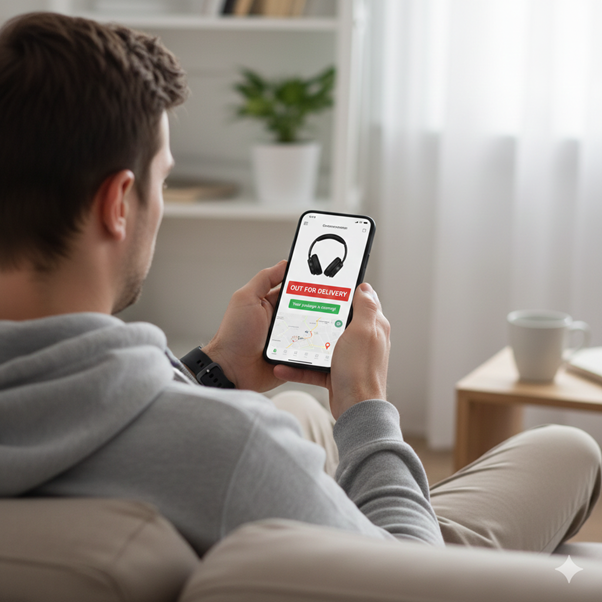
Real-time tracking of deliveries improves transparency and allows customers to monitor the delivery journey. It increases customer satisfaction and loyalty, as it reduces the anxiety associated with waiting.
Tracking also helps businesses monitor sales and stock. It informs the OMS when an order has been sent out for delivery, allowing the business to update its inventory accordingly.
Utilise Reputable Couriers
Building infrastructure for last-mile fulfillment is costly. A business would have to build or rent geographically-dispersed distribution centers to fully optimise the last mile delivery process.
As such, businesses typically partner with couriers and distribution centres, since these services already have their own last-mile fulfilment centres.
Partner with established, reputable couriers that provide a trusted service in the industry. Remember, things could have gone smoothly in the central warehouse, but fulfillment could still go awry at the last mile.
Partner with a 3PL and Outsource Last-Mile Fulfillment
Outsourcing to a trusted 3PL like Airpak Express allows businesses to focus on their core operations.
The difference between a 3PL and a courier is that 3PLs provide an end-to-end service--from a central warehouse all the way to last mile fulfillment. On the other hand, couriers don't provide warehousing.
For businesses that don't have in-house warehousing infrastructure, they may utilise a 3PL's services to offer excellent, integrated service, from receipt of the order all the way to the last mile delivery stage.
With a 3PL provider's tried-and-tested last-mile logistics, businesses can cut costs and provide an exceptional customer experience across the final mile. Delegating logictics to a trusted, capable partner allows a business to focus on more pertinent matters, such as marketing.
Work with Airpak Express Today!
Airpak Express is a leading third party logistics provider in Singapore, offering comprehensive warehousing, fulfillment, and last mile delivery services.
Through out last-mile fulfillment centers, we ensure that every customer's order reaches their final destination promptly. We understand how important timely deliveries are to the brand experience. So, we leverage our existing infrastructure and tried-and-tested methods to provide the quickest deliveries possible.
By partnering with Airpak, ecommerce businesses can enhance delivery efficiency without the hefty costs of building a network of last-mile warehouses. Get in touch with us today!
Frequently Asked Questions (FAQs)
Is a last-mile warehouse the same as a distribution center?
No. A last-mile warehouse stores ready-to-deliver packages, while a distribution center typically stores unpacked inventory and handles picking, packing, and replenishment tasks.
How does last-mile fulfillment impact customer loyalty?
Fast and accurate deliveries increase trust and improve customer satisfaction. Poor performance—such as late or failed deliveries—can quickly drive customers to competitors.
What happens if a customer isn’t available during delivery?
Couriers may attempt redelivery, leave the parcel at a safe designated location, or return it to the last-mile warehouse for rescheduling. Policies vary depending on the courier or 3PL.
Why do “Out for Delivery” updates sometimes take a long time?
These delays may occur due to traffic conditions, heavy delivery volumes, or courier delays. The package is still in transit, but the route may be longer than expected.
How can merchants reduce failed deliveries?
Accurate addresses, mandatory contact numbers, real-time tracking, and proactive customer communication help reduce delivery failures. Some merchants also allow customers to choose preferred delivery windows.
No time to manage complex post-shipment invoicing? Airpak ShipNow is your answer.
Prepaid shipping service catering to all your logistics needs.
Book and send your shipment with less than 5 clicks of the mouse!
Time to scale up your business. Let us handle the complexity of logistics management.
Register and create an account with us for seamless online ship management.
Access and manage all your shipments through one portal.